
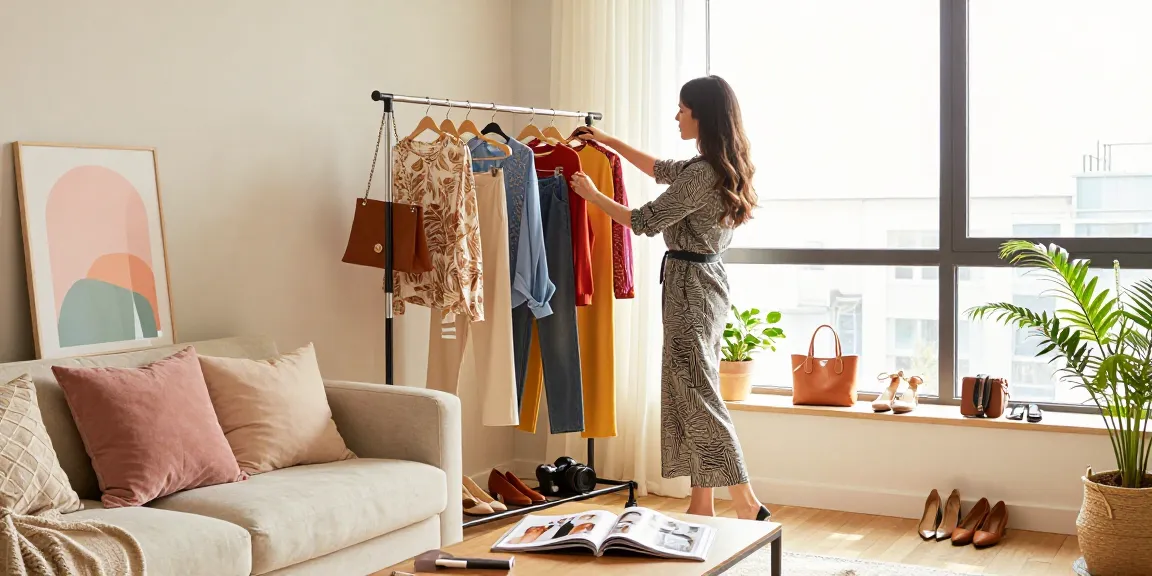
The Evolution of Fashion Trends in 2026
As we step into 2026, the fashion landscape has undergone a remarkable transformation, influenced by an amalgamation of technological advancements, cultural shifts, and a growing emphasis on sustainability. This era is characterized by a fluidity in fashion trends where traditional norms are challenged, and new aesthetics emerge. The rise of digital platforms has not only changed how fashion is marketed but also how it is consumed, with consumers actively participating in the trend-making process. For insights on these revolutionary changes, visiting https://www.sukan8a.com/ can provide valuable information on current fashion dynamics.
Understanding Contemporary Fashion Influences
Contemporary fashion in 2026 draws inspiration from diverse sources, including cultural heritage, street style, and the digital realm. The significance of social movements, such as the quest for gender fluidity and body positivity, has significantly shaped the conversation around fashion, encouraging inclusivity and representation. Designers are exploring these themes through their collections, striving to create garments that speak to a broader audience.
Moreover, the proliferation of social media platforms, particularly TikTok and Instagram, has enabled micro-influencers to shape trends rapidly. These influencers, often seen as more relatable than traditional celebrities, have the power to propel niche styles into mainstream consciousness overnight. Current consumers are not just passive recipients of fashion; they are active participants, influencing trends through their choices and online presence.
Key Trends Shaping the Industry
Several key trends are dominating the fashion scene in 2026. One major trend is the rise of technology-integrated textiles, where garments are embedded with smart technology that enhances functionality. From temperature regulation to health monitoring, these advancements cater to the modern consumer’s desire for convenience and innovation.
Another trend is the resurgence of nostalgia-driven fashion, where styles from the 90s and early 2000s are making a comeback with a contemporary twist. This movement highlights the cyclical nature of fashion, where past trends are reimagined for a new generation. Additionally, bold colors and oversized silhouettes are gaining popularity, reflecting a collective desire for self-expression and individuality.
Exploring Sustainable Fashion Practices
The growing awareness of environmental issues has significantly impacted the fashion industry, making sustainability a crucial focal point for brands and consumers alike. In 2026, eco-friendly practices are not merely a trend but a necessity, with consumers actively seeking brands that prioritize sustainable production methods and materials.
Importance of Eco-friendly Materials
Sustainable fashion focuses on the materials used in production, advocating for organic, recycled, and biodegradable fabrics. Brands are increasingly turning to innovative materials such as Tencel, made from sustainably sourced wood pulp, and recycled polyester, which reduces plastic waste. These materials not only minimize environmental impact but also offer consumers stylish alternatives that align with their values.
Brands Leading the Way in Sustainability
Numerous brands are pioneers in the sustainable fashion movement. For instance, Stella McCartney has long been an advocate for cruelty-free and eco-conscious fashion, setting benchmarks for luxury brands. Additionally, smaller, independent brands are emerging, emphasizing ethical practices and transparency in their supply chains. Companies like Reformation and EcoVessel are leading by example, showcasing that fashion can be both trendy and sustainable.
Consumer Demand for Ethical Fashion
The demand for ethical fashion is growing, as consumers become more aware of the impact of their purchasing decisions. Studies indicate that a significant portion of shoppers, particularly millennials and Gen Z, prefer brands that demonstrate a commitment to social responsibility. This shift is prompting brands to adopt transparency and sustainability as core values, ultimately reshaping the retail landscape.
Innovative Fashion Marketing Strategies
As the fashion industry evolves, so too do the marketing strategies employed by brands. In 2026, leveraging digital platforms effectively has become paramount, as consumers increasingly engage with brands online.
Leveraging Digital Platforms Effectively
The rise of e-commerce and social media has transformed the way fashion brands communicate with their audiences. Brands that adeptly utilize platforms like Instagram and TikTok can create viral marketing campaigns that resonate with younger consumers. Live shopping experiences and interactive ads allow customers to engage with products in real-time, making the online shopping experience more immersive.
Engagement through Storytelling and Content
Storytelling has become a fundamental aspect of fashion marketing. Brands are crafting narratives that connect emotionally with consumers, emphasizing their values and mission. By sharing the stories behind their collections, from the inspiration to the production process, brands foster a deeper connection with their audience, creating loyalty and trust.
Real-life Case Studies of Successful Campaigns
Case studies of successful marketing campaigns illustrate the effectiveness of these strategies. For example, Nike’s “Dream Crazy” campaign featuring Colin Kaepernick sparked significant engagement by aligning the brand with social justice movements. Similarly, ASOS’s #AsSeenOnMe campaign encourages customers to share their outfits, creating a community-driven approach that amplifies brand visibility and authenticity.
Practical Tips for Building a Stylish Wardrobe
Building a stylish wardrobe requires thoughtful consideration of personal style, essential pieces, and the art of accessorizing. In 2026, consumers are increasingly looking for guidance on curating a versatile and sustainable wardrobe.
Identifying Personal Style and Aesthetic
Understanding your personal style is the first step in building a wardrobe that reflects your identity. Consider keeping a mood board or an inspiration file filled with looks that resonate with you, whether they come from magazines, social media, or real life. This exercise can help identify recurring themes in your style preferences.
Key Pieces Every Wardrobe Should Have
Certain classic pieces are essential to any wardrobe, serving as the foundation on which to build outfits. Here are some key items to consider:
- A tailored blazer
- Classic white shirt
- High-quality denim jeans
- Versatile little black dress
- Comfortable yet stylish shoes
These staples can be mixed and matched with trendy items to create multiple looks suitable for various occasions.
Accessorizing Like a Pro
Accessories play a vital role in enhancing outfits. Mastering the art of accessorizing involves selecting pieces that complement your overall look rather than overpowering it. Consider investing in timeless accessories, such as a good quality handbag or statement jewelry, which can elevate even the simplest outfits.
The Future of Fashion in a Post-Pandemic World
The COVID-19 pandemic has had lasting effects on consumer behavior and the fashion industry as a whole. As we navigate a post-pandemic world in 2026, it is essential to understand the shifts that have occurred and how they will influence the future of fashion.
Shifts in Consumer Behavior
Consumer priorities have changed, with many placing greater emphasis on comfort and functionality in their clothing choices. Loungewear and versatile outfits that can transition from home to outside are in high demand, signaling a shift towards practicality without sacrificing style.
Emerging Trends for 2027 and Beyond
As we look ahead, trends are expected to continue evolving. The integration of augmented reality in shopping, the rise of virtual styling services, and continued innovations in sustainable materials are set to shape the future of fashion. Brands that embrace these changes will likely lead the way in the coming years.
How to Stay Ahead in the Fashion Game
To stay ahead in the fashion industry, it is crucial to remain adaptable. Follow industry news, engage with fashion communities, and continuously evaluate and refresh your wardrobe based on emerging trends. By cultivating an open mindset and embracing change, you can ensure your style evolves alongside the industry.
What are the top fashion trends for 2026?
Some of the top trends for 2026 include technology-integrated apparel, bold colors, oversized silhouettes, and an emphasis on sustainability. These trends reflect current consumer desires for innovation, comfort, and environmental responsibility.
How can I build a sustainable wardrobe?
Building a sustainable wardrobe involves investing in quality pieces made from eco-friendly materials, opting for second-hand clothing, and supporting brands that prioritize ethical practices. Curating a collection of versatile staples can also help reduce the frequency of new purchases.
What role does social media play in fashion marketing?
Social media serves as a powerful tool for fashion marketing, enabling brands to reach large audiences and engage with consumers directly. Platforms like TikTok and Instagram allow brands to showcase their products dynamically and encourage user-generated content.
What are essential pieces for a versatile wardrobe?
Essential pieces for a versatile wardrobe include a tailored blazer, classic white shirt, high-quality denim, and a little black dress, among others. These staples form the backbone of a stylish wardrobe that can be adapted to various occasions.
How to predict future trends in fashion?
To predict future fashion trends, keep an eye on emerging patterns in consumer behavior, cultural shifts, and technological advancements. Following fashion influencers and industry experts can also provide valuable insights into upcoming styles.